
Attract More Visitors
SEO-friendly structure helps you get found on Google.
Modern, high-performing websites built to attract,
convert, and grow your business.

Custom

Mobile

SEO

Conversion
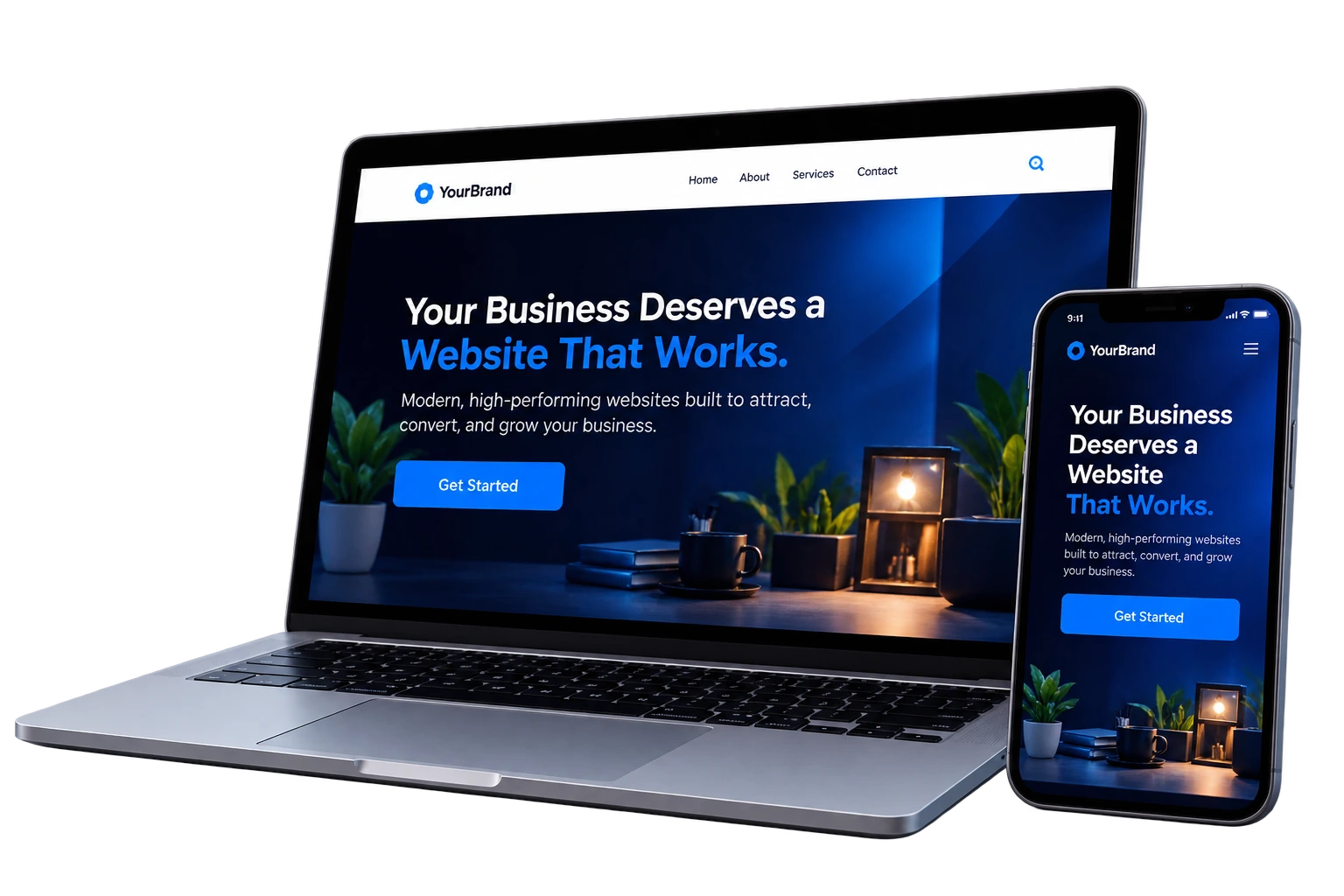
We create custom websites that do more than look good—they help you get found, build trust, and turn visitors into customers. Every website is strategically designed, SEO-friendly, and built with your business goals in mind.
SEO-friendly structure helps you get found on Google.

Professional design that represents your brand.

Strategic layouts and clear calls-to-action that drive results.
Our websites are built with the perfect combination of design, technology, and strategy to help your business grow online.

Unique, modern designs built around your brand.

Looks and works perfectly on all devices.

Technical and on-page SEO best practices.

Optimized for performance and a better user experience.

Designed to generate leads, calls, and sales.

Easy for you to manage and update.

SSL, security best practices, and regular updates.

We’re here to help even after your site goes live.
We make the process easy and transparent, so you know exactly what to expect from start to finish.

We learn about your business, goals, and target audience.

We create a custom plan and sitemap.

We design, build, and optimize your website.

Your website goes live, and we provide ongoing support to help you grow.
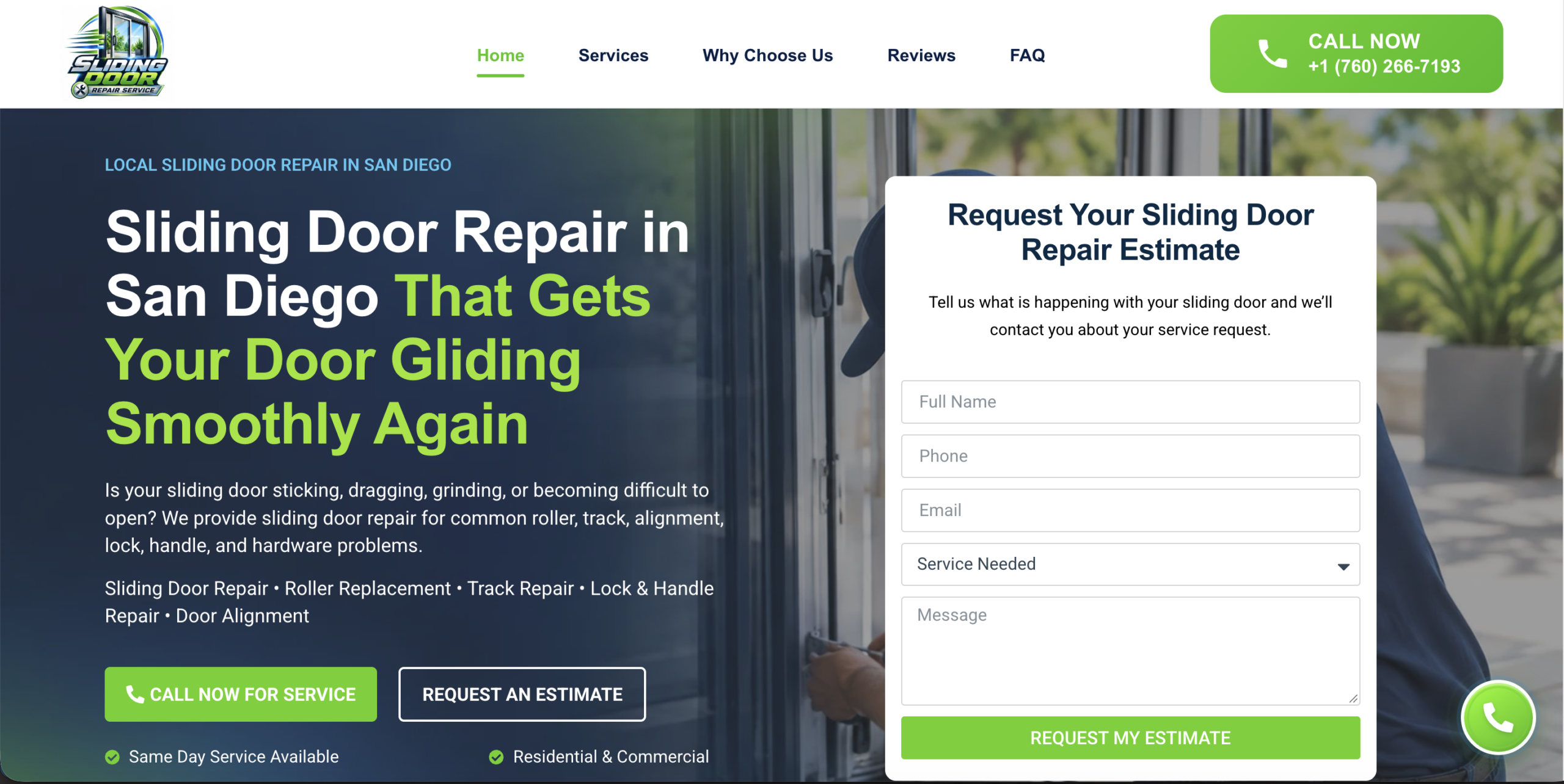
Custom Sliding Door Repair Website
Mobile Optimized & Lead Generation Focused
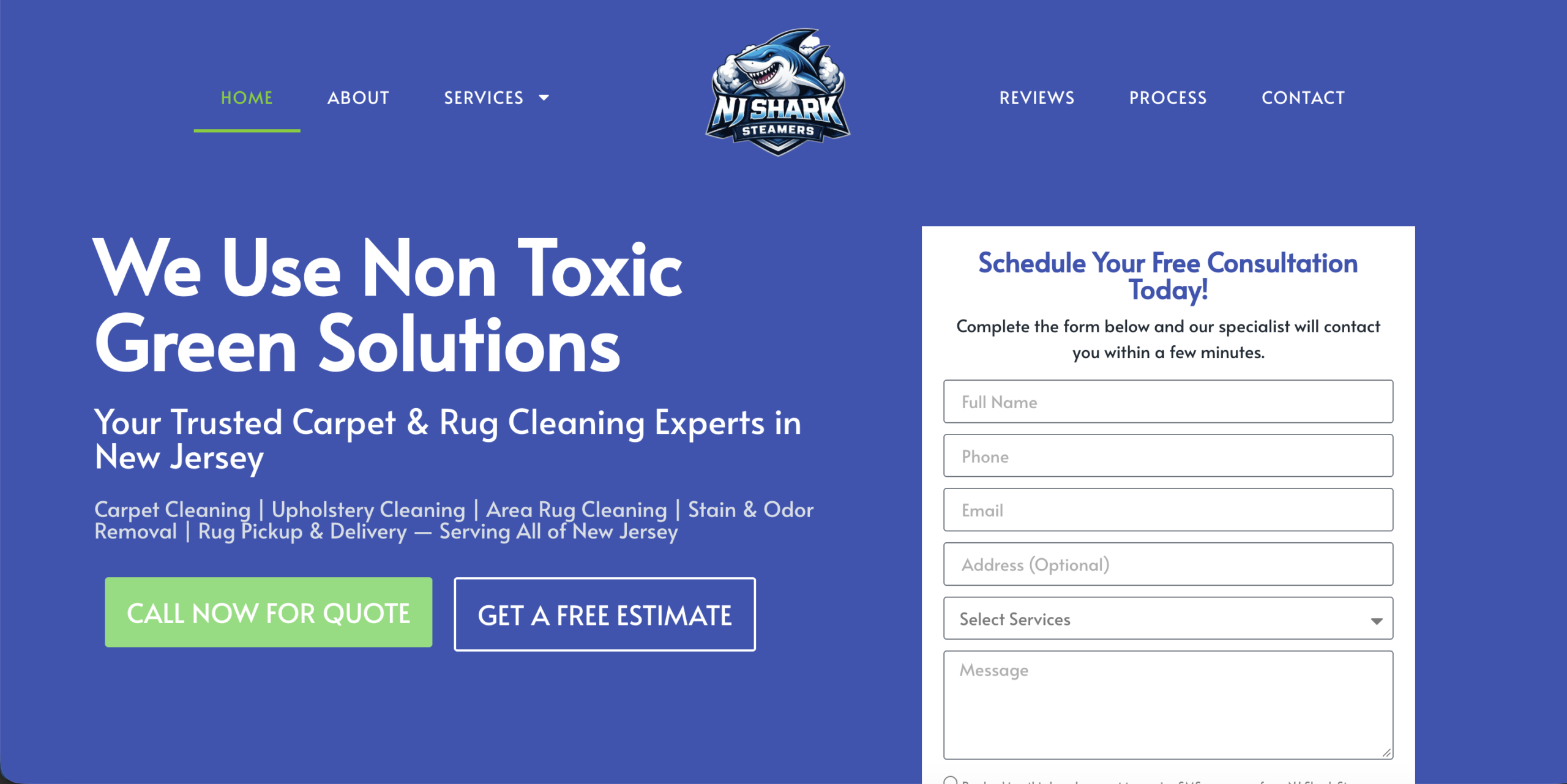
Professional Cleaning Service Website
Modern Design & Conversion Focused
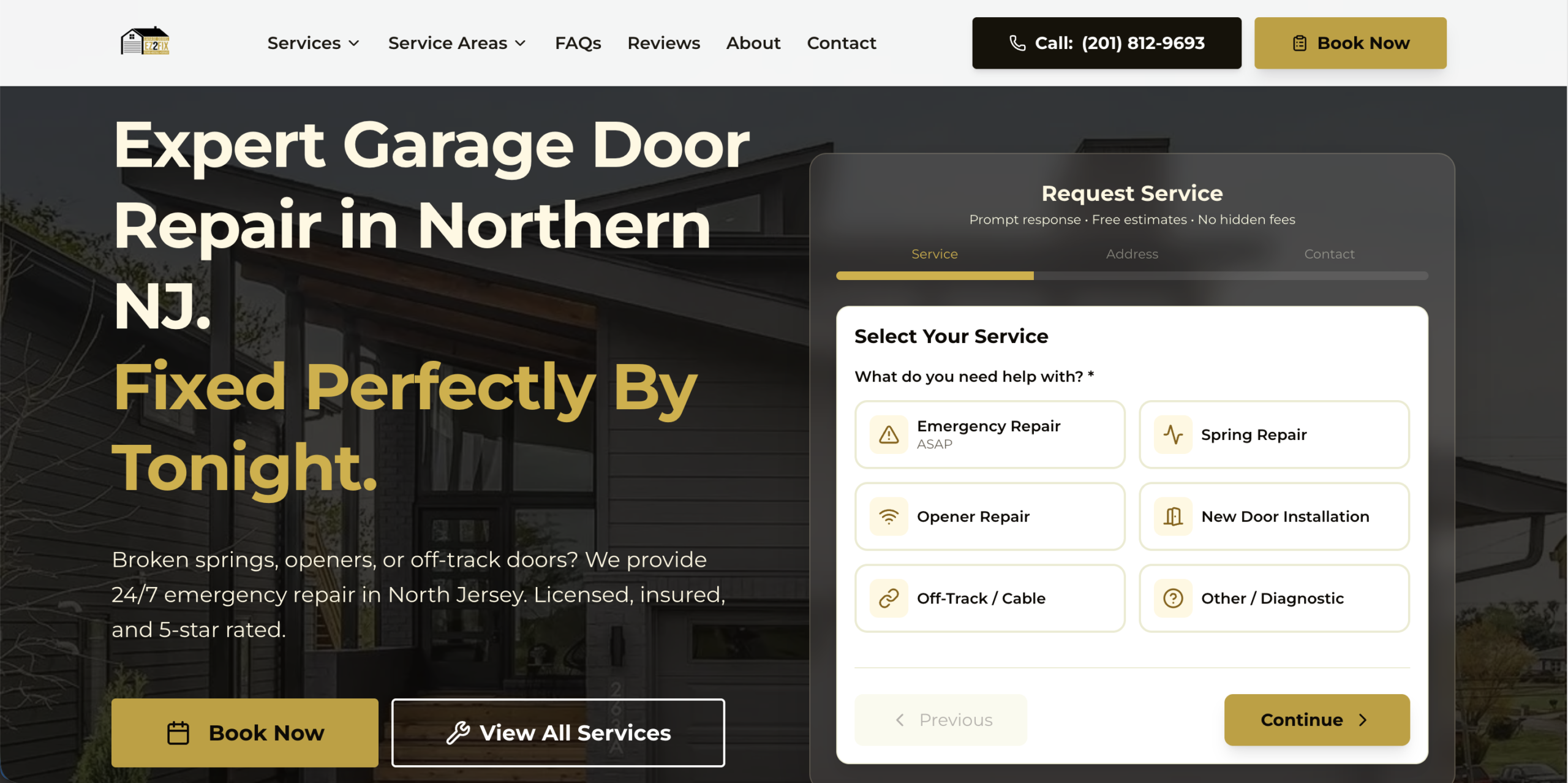
Custom Garage Door Service Website
Interactive Booking & Lead Generation Focused
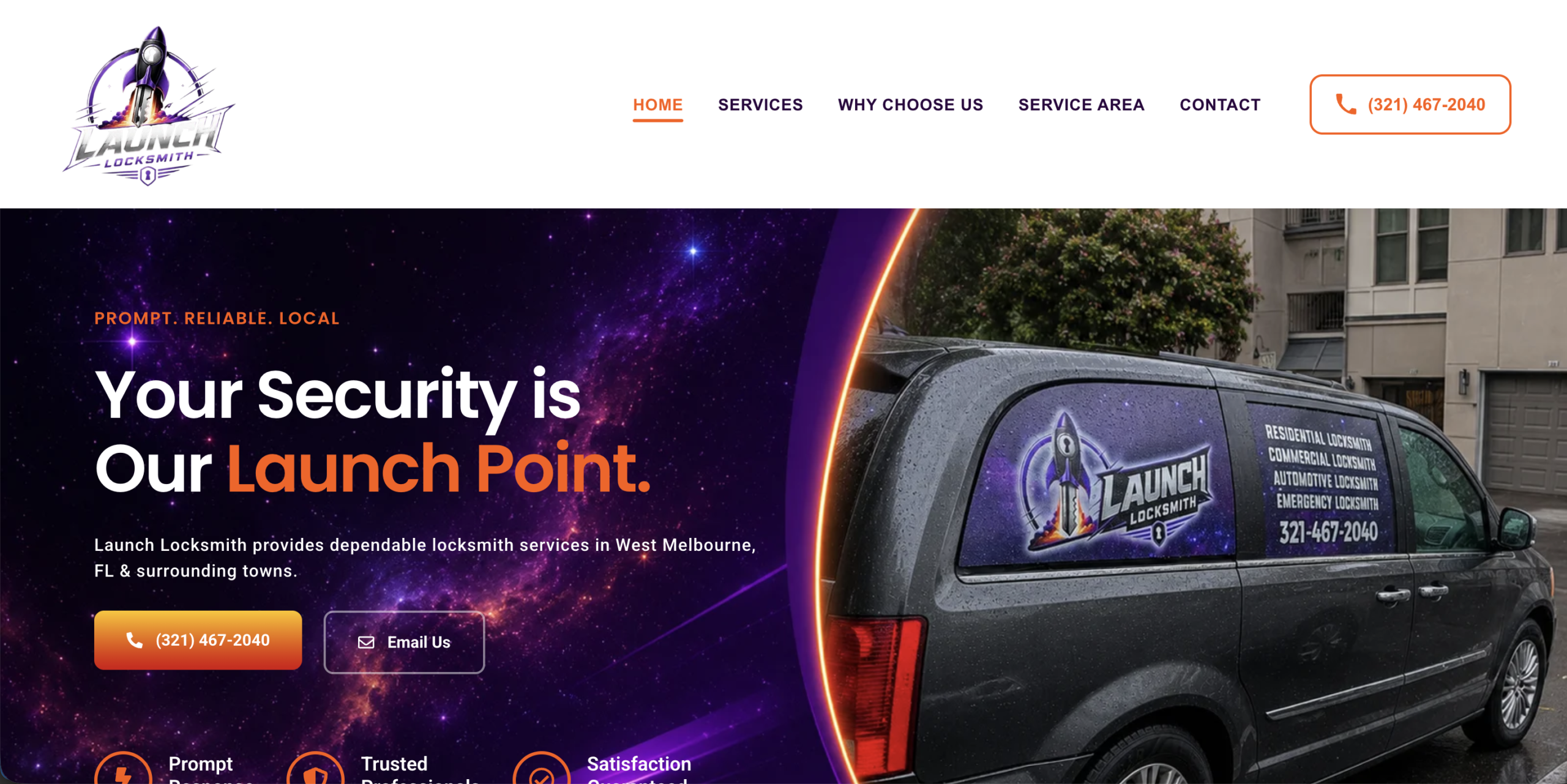
Modern Locksmith Business Website
Custom Design & Local SEO Optimized
We combine creative design with data-driven strategy to build websites that not only look amazing but also deliver real business results.
Get a Free Website Audit →The cost of hiring a professional website designer depends on the website's size, complexity, features, and customization requirements.
As a general U.S. market estimate, a professionally designed small business website may cost between $2,000 and $10,000, while larger custom websites with advanced functionality can cost $10,000–$50,000 or more. Prices vary significantly by provider and country.
Factors that influence website design pricing include:
Before hiring a website design company, request a detailed proposal outlining the deliverables, project timeline, revision policy, and additional expenses.
The best investment is a website that meets your business needs, provides a positive user experience, and supports your long-term growth goals.
Before hiring a website designer, ask questions that help you evaluate their experience, technical skills, pricing transparency, and ability to understand your business goals.
Important questions include:
A reliable website design company should answer these questions clearly, explain its development process, and provide written project terms.
Choosing a designer who understands both website usability and digital marketing can help ensure your new website supports your business objectives.
When hiring a website designer, watch for warning signs that may indicate poor workmanship, unreliable communication, or unexpected expenses.
Common red flags include:
A trustworthy web designer should be transparent about capabilities, limitations, costs, and expected deliverables.
Before signing a contract, review the company's previous work, check client feedback, and confirm that your website ownership and access rights are clearly defined.
Choosing the right website design company starts with understanding your business goals, target audience, budget, and required website functionality.
Look for a company that offers more than attractive visual designs. A professional website should also be easy to navigate, accessible, mobile-responsive, and structured to help potential customers find relevant information.
When comparing website design companies, evaluate:
Request proposals from multiple providers and compare the actual services included rather than choosing based on price alone.
The right website design partner should understand what your business wants to achieve and explain how the proposed website will support those goals.
Website design and website development are closely related, but they focus on different aspects of creating a functional website.
Website design focuses on how a website looks and how visitors interact with it. This includes page layouts, colors, typography, navigation, branding, and user experience (UX).
Website development focuses on building and implementing the website using code, content management systems, databases, and other technologies. Developers make website features work, including contact forms, online stores, booking systems, and integrations.
For example, a website designer may create the layout of an online store, while a website developer implements its shopping cart and checkout functionality.
Many professional website design agencies offer both services as part of a complete website project.
For most businesses, combining thoughtful design with reliable development produces a website that looks professional, functions correctly, and provides a better experience for potential customers.
Designing and building a professional website can take anywhere from a few weeks to several months, depending on the project's requirements.
Typical planning estimates include:
The website creation process generally includes discovery and planning, website structure development, visual design, content preparation, development, testing, revisions, and launch.
Projects may take longer when they require custom functionality, extensive content creation, third-party integrations, or multiple approval stages.
Business owners can help keep projects on schedule by providing branding materials, website content, images, and feedback promptly.
A professional website designer should provide a realistic project timeline before work begins, including key milestones and expected delivery dates.
Using a website builder or hiring a professional website designer depends on your budget, technical knowledge, available time, and business goals.
Website builders such as Wix, Squarespace, and WordPress.com offer templates and tools that allow businesses to create websites without extensive coding knowledge. They can be suitable for simple websites, personal portfolios, and businesses with limited budgets.
Professional website designers provide expertise in custom layouts, branding, user experience, mobile responsiveness, and website functionality. Depending on the service package, they may also assist with SEO, content structure, analytics, and conversion optimization.
A DIY website builder may be sufficient when your requirements are simple and you have time to manage the website yourself.
However, hiring a website design professional may be a better choice when you need a distinctive brand identity, specialized functionality, or a website designed around specific business objectives.
A good business website combines professional design, useful content, reliable performance, and a positive user experience.
The most important elements of an effective website include:
An effective website should be designed around the needs of its visitors while supporting measurable business objectives.
Finding a trustworthy website designer requires more than comparing prices or looking at attractive portfolio images.
Start by researching designers or web design agencies with relevant experience and publicly available examples of completed projects.
Check independent client reviews, examine live websites they have created, and ask whether they can provide references from previous customers.
A dependable website designer should also explain:
Avoid making decisions based solely on sales promises or unusually low prices.
The most reliable way to evaluate a website designer is to verify their work, review their contract, and confirm that their services match your business needs.
A website designer's portfolio provides valuable insight into their design skills, technical capabilities, and experience working with different businesses.
When reviewing a website design portfolio, look beyond attractive screenshots.
Pay attention to:
Whenever possible, visit the live websites featured in the portfolio instead of relying only on images.
A strong portfolio should demonstrate not just visual creativity but also practical problem-solving and attention to the needs of real website visitors.
Professional website designers typically use fixed-price agreements, hourly rates, or a combination of both.
Fixed-price website design involves an agreed project cost based on a defined scope of work. This pricing model is often suitable for business websites with clear requirements, specified deliverables, and an established timeline.
Hourly website design charges clients based on the time spent completing tasks. This approach can work well for website updates, troubleshooting, consulting, and projects with evolving requirements.
Some agencies also offer monthly website design or maintenance packages that include a defined level of ongoing work.
Before accepting any pricing model, confirm:
Fixed pricing generally provides greater budget predictability, while hourly billing offers flexibility when project requirements are uncertain.
The best option depends on your project scope, budget, and preferred working arrangement.
Yes. You can build a website without hiring a professional designer by using website builders, ready-made templates, or content management systems such as WordPress.
Many modern platforms provide drag-and-drop editing, pre-designed layouts, and AI-assisted tools that make basic website creation more accessible to beginners.
To create your own business website, you generally need to:
Although creating a DIY website can reduce initial design expenses, it still requires time for content creation, optimization, troubleshooting, and ongoing maintenance.
If your business requires custom functionality, professional branding, or more advanced digital marketing integration, working with a website design company may provide additional value.